How much water do you actually need in hot weather?
The UK has just been through its fifth-hottest day on record. As the fiercest heat passes and hosepipe bans linger, here is how much water you really need, and the tired myths worth dropping.
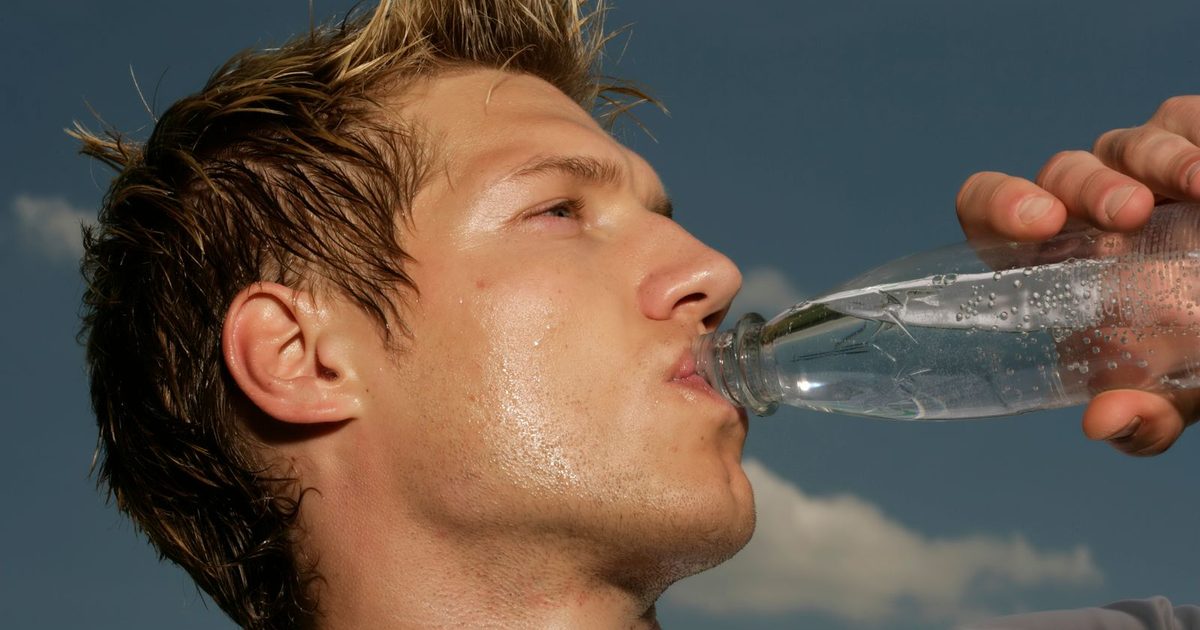
This month the UK recorded its fifth-hottest day ever, 38.1°C at Kew Gardens in London on 13 August (a shade over 100°F, which our Celsius to Fahrenheit converter puts at 100.6°F), at the peak of a fortnight of amber extreme-heat warnings and health alerts across England. Even as the fiercest heat passes, two things linger: hosepipe bans affecting millions, and the question everyone reaches for when the temperature climbs, which is how much water they should actually be drinking.
The honest answer is that there is no single magic number, but there is good guidance, and a fair amount of myth to clear away first.
So how much do you actually need?
The NHS suggests most adults aim for 6 to 8 cups or glasses of fluid a day, and it is careful to call this a guide rather than a rule. That total includes water, lower-fat milk, tea and coffee and other sugar-free drinks, and you get a surprising amount of fluid from food as well. In other words the target is more forgiving, and more easily met, than the rigid image of eight tall glasses of plain water suggests.
If you want a figure tailored to you rather than an average, a common rule of thumb is around 30 to 35 millilitres of fluid per kilogram of body weight, with more added for activity and heat. That is what our daily water intake calculator works out, in litres and glasses, so you have a personal target to aim at rather than a one-size-fits-all number.
The myths worth dropping
The "eight glasses" law. It was never a law. The NHS figure is six to eight, it is a guide, and food and other drinks count towards it. Chasing a precise eight glasses of pure water on top of everything else is unnecessary.
Tea and coffee "do not count". They do. The old belief that a cup of tea dehydrates you does not hold up: the NHS counts tea and coffee as part of your daily fluid, because the water in the cup easily outweighs the mild effect of the caffeine.
Wait until you are thirsty. Thirst lags behind need, especially in older adults and in hot weather, so on a warm day it is better to sip regularly than to wait for the signal. A simple check beats guessing: aim for pale, straw-coloured urine, and treat a darker colour as a nudge to drink more.
When you genuinely need more
Some situations really do push your needs up: hot weather, exercise or heavy physical work, illness with a fever, and pregnancy or breastfeeding. Alcohol works against you here, because it is a diuretic, which is why a hot afternoon in a beer garden can leave you more dehydrated than you expect; our alcohol unit calculator is a useful reality check on that front. In hot weather the sensible move is simply to drink a little and often through the day, and to lean on water if you are sweating.
Can you overdo it?
Yes, though it is rare. Drinking extreme amounts of water in a short time can dilute the body's sodium, a condition called hyponatraemia, which is why the advice is to meet your needs steadily rather than force litre after litre. For almost everyone, matching your intake to the weather and your activity, and letting thirst and urine colour handle the fine-tuning, is all it takes.
A hotter, drier backdrop
There is a wider point behind the personal one. The same heat that has people reaching for a glass has pushed reservoirs and rivers low enough to put more than 24 million people under hosepipe bans this summer. Drinking enough and using water carefully are not in conflict: filling a glass from the tap costs almost nothing, while the sprinkler and the paddling pool are where the real waste lies. As record-breaking days become more common, both habits are worth getting into.
This is general information, not medical advice. Fluid guidance is from the NHS, and individual needs vary with health, medication, activity and climate. If you feel unwell in the heat, or have a condition that affects how much you should drink, follow your doctor's advice.
Photo by BOOM Photography on Pexels.
More from Hopi News
All news › How many calories do you actually burn in a day?
The famous 2,000 a day figure is an average dressed up as a rule. Your real number depends on your size, your age and how much you move, and the maths behind it is refreshingly simple.
How many calories do you actually burn in a day?
The famous 2,000 a day figure is an average dressed up as a rule. Your real number depends on your size, your age and how much you move, and the maths behind it is refreshingly simple.
 Inflation is back up to 2.9%. Here is what it does to your money.
UK inflation rose to 2.9% in July, its first climb in months, pushed up by energy bills. It nudges above the Bank of England's target and quietly shrinks both pay and savings. Here is what the figures mean for you.
Inflation is back up to 2.9%. Here is what it does to your money.
UK inflation rose to 2.9% in July, its first climb in months, pushed up by energy bills. It nudges above the Bank of England's target and quietly shrinks both pay and savings. Here is what the figures mean for you.
 GCSE results tomorrow: what a 9, a 5 and a 4 actually mean
GCSE results land on Thursday. If you last sat exams when grades were letters, here is what England's 9 to 1 numbers really mean, the two passes that confuse everyone, and why a 9 beats an old A*.
GCSE results tomorrow: what a 9, a 5 and a 4 actually mean
GCSE results land on Thursday. If you last sat exams when grades were letters, here is what England's 9 to 1 numbers really mean, the two passes that confuse everyone, and why a 9 beats an old A*.
Use the tool: Daily water intake calculator.