The energy price cap is confirmed: £1,723 from October, up 4%
Ofgem has set the October to December cap at £1,723 a year, a rise of £60 on the typical bill. Gas is doing all the work, a VAT cut is quietly holding electricity down, and the cap still is not a limit on what you pay.
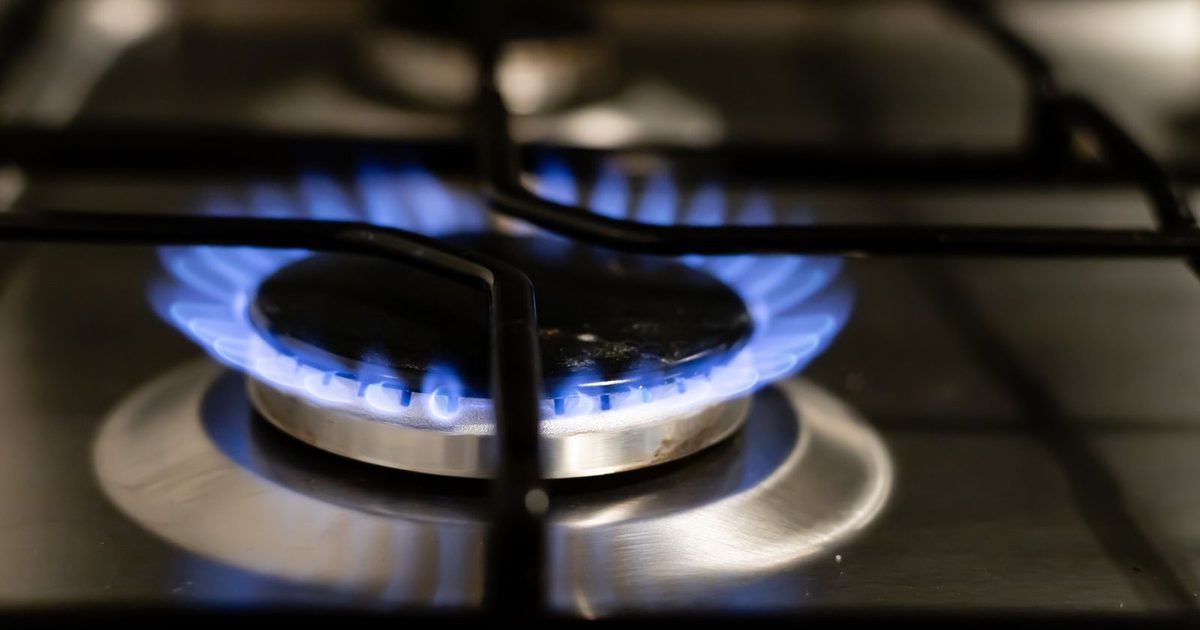
The number is in. Ofgem has confirmed the energy price cap for October to December at £1,723 a year for a typical dual-fuel household paying by direct debit, a rise of £60, or 4 per cent, on the current £1,663. That works out at about £5 a month more, and it takes effect from 1 October. When we previewed this last week, the Cornwall Insight forecast was £1,729; the confirmed figure has landed a touch below it, but the direction is exactly as expected: up, and gently.
Gas is doing all the work
The rise is not spread evenly. Gas bills are going up by about 8 per cent, while electricity is, in Ofgem's words, "broadly stable". A household that uses no gas at all, heating and cooking on electricity only, will see its bill move by less than 1 per cent. So the closer your home is to all-electric, the less this cap change touches you.
The reason is where the pressure is coming from. "High international gas prices are continuing to drive energy costs in the UK," Ofgem says, pointing to the ongoing conflict in the Middle East. Wholesale gas prices rose 11 per cent over the three months the regulator measured, and because gas still sets so much of the cap, that feeds almost directly into the autumn bill.
The VAT cut you did not notice
Electricity would have risen too, were it not for a quiet piece of policy. The Government's removal of VAT from domestic electricity, which also takes effect this autumn, is what keeps electricity "broadly stable" rather than climbing. Ofgem is explicit about the scale: without that VAT cut, the typical bill "would have been around £45 higher". In other words, the headline rise is £60, but it would have been closer to £105 had the tax not come off. If you want to see how much VAT quietly adds to a price, our VAT calculator strips it out of any figure in a couple of taps.
It still is not a cap on your bill
Worth repeating the point that trips up most coverage, because it matters more when the cap moves. The price cap does not limit your total bill. It sets the maximum unit rate, in pence per kilowatt hour, and the maximum daily standing charge. The £1,723 figure is simply what a household with typical usage would pay; use more and you pay more, use less and you pay less. So a 4 per cent rise in the rate lands hardest on the biggest users and barely grazes a home that has already cut back. To turn the rate into real money, our energy running cost calculator shows what any appliance costs at your unit rate, from the kettle to the tumble dryer, which is the quickest way to see where the winter money actually goes.
What you can do before October
The cap is the fallback, not the only option, and Ofgem's own advice is worth acting on before the new rate starts:
- Check a fixed deal. Suppliers are offering fixes more than £100 below the cap. If a fix beats the forecast winter rate, locking in can be worth it; the cap simply protects you if you do nothing.
- Look at off-peak. A smart meter can unlock cheaper off-peak electricity rates, which reward shifting heavy use, such as laundry or an EV charge, to the quiet hours.
- Consider how you pay. Prepayment now carries the lowest cap rates, saving roughly £45 a year against direct debit.
- If you are struggling, call now. Contact your supplier before you fall behind; they are obliged to help set up an affordable repayment plan.
The bigger picture
Energy is still the engine of the cost-of-living numbers. It is the same wholesale-gas pressure that pushed inflation back up to 2.9 per cent in July, which we covered in inflation is back up to 2.9 per cent. This confirmed cap now sets the terms for the winter, and a few minutes spent on your own usage, and on whether a fix beats it, is likely to be worth more than the £60 the headline is about.
This is general information, not financial advice. Cap figures are from Ofgem's announcement of 26 August 2026 and apply to a typical dual-fuel household in England, Scotland and Wales paying by direct debit, for 1 October to 31 December 2026. Your own bill depends on your usage, tariff, payment method and region.
Photo by Mateusz Feliksik on Pexels.
More from Hopi News
All news › How much of your salary do you actually keep? From £15k to £250k
We put every salary from £15,000 to £250,000 through our take-home pay calculator. The results show four tax bands, two sweet spots, and one strange zone where a pay rise is worth barely a third of itself.
How much of your salary do you actually keep? From £15k to £250k
We put every salary from £15,000 to £250,000 through our take-home pay calculator. The results show four tax bands, two sweet spots, and one strange zone where a pay rise is worth barely a third of itself.
 The October energy price cap lands next week: what to expect
Ofgem confirms the October to December price cap next Tuesday, and forecasts point to a rise of about 4%. Here is what the cap actually controls, why it is not a cap on your bill, and how to work out your own.
The October energy price cap lands next week: what to expect
Ofgem confirms the October to December price cap next Tuesday, and forecasts point to a rise of about 4%. Here is what the cap actually controls, why it is not a cap on your bill, and how to work out your own.
 Inflation is back up to 2.9%. Here is what it does to your money.
UK inflation rose to 2.9% in July, its first climb in months, pushed up by energy bills. It nudges above the Bank of England's target and quietly shrinks both pay and savings. Here is what the figures mean for you.
Inflation is back up to 2.9%. Here is what it does to your money.
UK inflation rose to 2.9% in July, its first climb in months, pushed up by energy bills. It nudges above the Bank of England's target and quietly shrinks both pay and savings. Here is what the figures mean for you.
Use the tool: Energy running cost calculator.